

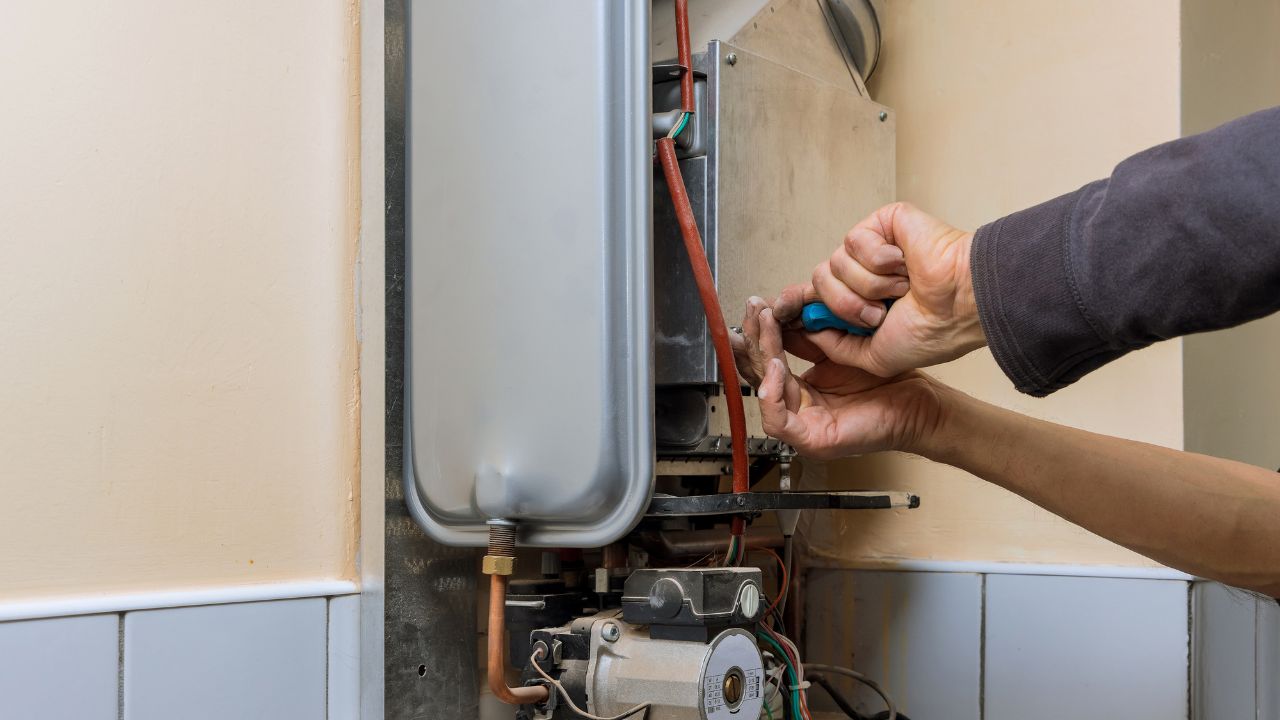
When a water heater repair service becomes necessary, homeowners often find themselves weighing an immediate fix against the possibility of a full system replacement. This decision is rarely straightforward, as it requires balancing the current functionality of the appliance with its expected remaining lifespan and the potential for rising maintenance costs. Understanding the mechanisms of modern units and the trade-offs involved in various service paths can help in making a confident decision.
Exploring the options for system maintenance and restoration
Most homeowners approach water heater issues with one of two goals: restoring the existing system or upgrading to a more modern solution. Each path tends to involve specific considerations regarding performance, efficiency, and long-term reliability.
Restoring an existing unit often centers on addressing specific points of failure. Common issues that service technicians encounter include damaged heating elements, failing thermostats, or mineral accumulation that has compromised the tank’s efficiency. When these components are replaced or cleaned, an older unit can sometimes regain a level of performance that mimics its original state. This is often the preferred choice when the appliance is relatively young and the repair is localized to a single, replaceable part.
Alternatively, replacement is typically considered when the cost of frequent repairs begins to approach the value of a new system. Modern units often feature improved insulation and more advanced control systems, which can result in meaningful gains in operational efficiency. Furthermore, switching to a different type of heater—such as one that heats water on demand—can change how a home consumes energy, potentially offering long-term advantages that a standard tank-style unit cannot match.
Factors that influence the service decision
Choosing between repair and replacement is typically guided by a set of technical and financial markers. A thorough evaluation by a professional often involves checking the following factors:
- Appliance Age and Condition: An appliance that is nearing the end of its typical service life may be prone to recurring issues. If the outer casing shows signs of corrosion, this often suggests that the structural integrity of the tank is failing, which is generally not a condition that can be resolved through simple repairs.
- Scale and Sediment Build-up: In areas where the local water supply contains high mineral content, sediment accumulation can lead to overheating and pressure fluctuations. While flushing a tank can improve its operation, extensive mineral hardening can sometimes lead to micro-fractures in the tank lining.
- Frequency of Prior Service: If a unit has required repeated attention over a short period, it may indicate that the underlying components are entering a cycle of systemic failure. Tracking the history of the unit can provide clarity on whether current problems are isolated incidents or symptoms of broader deterioration.
- Changing Household Needs: Sometimes the motivation for service is not just the condition of the hardware, but a change in the household’s usage patterns. If a family has grown, the current system might struggle to keep up with daily hot water demands, making a higher-capacity unit a logical consideration.
Aligning service choices with individual household needs
The most effective way to approach a water heater service near me is to treat the initial consultation as an opportunity for assessment rather than just a quick fix. A qualified technician can provide an objective view of the system’s health and explain the mechanisms causing the current issues.
When inviting a professional into your home, consider asking about the specific indicators they use to determine the feasibility of a repair. Inquire about the differences in energy consumption between your current model and newer alternatives. A transparent discussion about these technical aspects helps move the decision away from guesswork and toward an informed choice that accounts for both immediate comfort and future reliability.
It is also helpful to discuss the preventive measures that can keep a system running smoothly regardless of the path chosen. Simple actions, such as periodic flushing to remove sediment or adjusting temperature settings to reduce unnecessary stress on the tank, are often recommended by professionals. By integrating these practices into your home maintenance routine, you may be able to extend the lifespan of your appliance and minimize the likelihood of sudden service interruptions.
Ultimately, the goal of seeking professional assistance is to ensure that your home’s hot water supply is consistent and efficient. Whether that requires a targeted repair or a transition to a new, more advanced system, the decision rests on understanding the current state of your equipment and aligning that with the long-term goals you have for your property. By engaging with knowledgeable service providers and focusing on a thorough diagnostic approach, homeowners can address their needs with confidence, ensuring their systems are capable of meeting the demands of daily life reliably.