

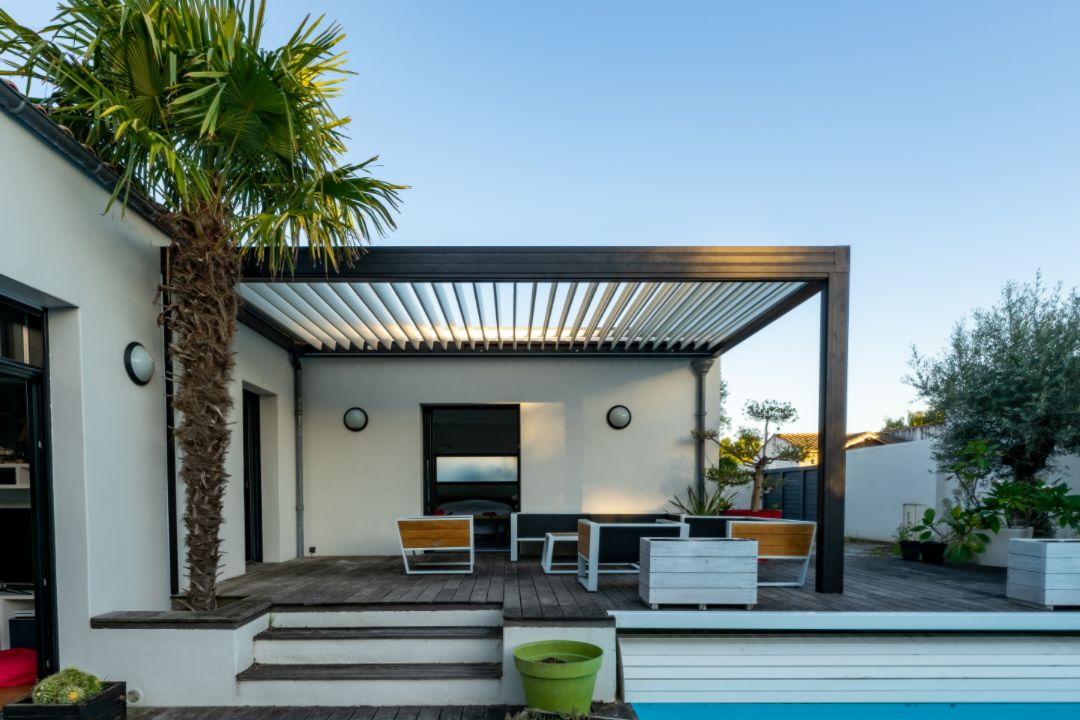
Few outdoor structures have stood the test of time quite like the pergola. From ancient Mediterranean courtyards to the backyards of modern Melbourne homes, the appeal is consistent — a defined outdoor space that feels open and connected to the surroundings while offering just enough structure to anchor the area and support shade, climbing plants, or a roof covering.
If you’re considering adding a pergola to your Melbourne property, you’re in good company. Demand for quality outdoor structures has grown steadily as homeowners invest more in their living spaces, and the pergola sits at a sweet spot in that market — more architectural than a shade sail, more versatile than a gazebo, and more open than a full patio.
But getting the build right requires finding a skilled pergola builder in Melbourne who understands your goals, your property, and the regulatory requirements that apply to your specific area. This guide covers what you need to know before you start.
What Is a Pergola, Exactly?
It’s worth clarifying the terminology upfront, because there’s genuine confusion in the market between pergolas, patios, and verandahs.
A pergola is traditionally an open-roofed structure — a framework of posts and beams, often with a slatted or latticed top that allows filtered light through. Climbing plants like wisteria, passionfruit, and jasmine are a classic addition. The open roof structure creates dappled shade without the full coverage of a solid roof.
A patio or verandah, by contrast, features a solid or insulated roof that provides complete weather protection. Many people use the terms interchangeably with pergola, but the distinction matters when you’re making decisions about permits, materials, and what the finished structure will actually do for you.
Some pergolas are now built with retractable or louvred roofs — a growing trend in Melbourne that bridges the gap between the two categories. These systems allow you to open the structure on fine days and close it against rain or strong sun, giving you the best of both worlds.
Why Melbourne Is a Great City for Pergolas
Melbourne’s climate — warm summers, mild springs, and cool but generally manageable winters — suits outdoor structures that offer flexibility rather than full enclosure. A pergola lets you enjoy the outdoors when conditions are pleasant while the option to add shade cloth, a retractable cover, or outdoor blinds means you can extend the usable season.
Melbourne’s residential architecture also lends itself well to pergola additions. The mix of federation homes, inter-war bungalows, mid-century brick veneer, and contemporary new builds all have outdoor spaces where a pergola can complement the existing structure without overwhelming it — provided the design is sympathetic to the home’s style.
In established suburbs where heritage overlays may restrict more substantial building works, a pergola is often a viable option where a fully enclosed structure wouldn’t be permitted. That said, permit requirements still apply, and it’s essential to check with your local council before proceeding.
Pergola Design Options for Melbourne Homes
The design possibilities for pergolas in Melbourne are broader than many homeowners expect.
Open-beam timber pergolas are the most traditional form. Hardwood posts and beams, often with decorative detailing on the post caps and rafter ends, create a classic garden structure that suits both heritage and contemporary properties. Treated pine is a more affordable alternative that performs well when properly maintained.
Steel pergolas offer a cleaner, more industrial aesthetic and require significantly less maintenance than timber. Powder-coated steel in charcoal or black is particularly popular with contemporary Melbourne homes where a bold, modern look is the goal.
Louvred pergolas are the premium end of the market. Motorised louvre blades can be adjusted to control sunlight and airflow, and fully closed, they provide reasonable protection from rain. These systems have grown significantly in popularity and represent a substantial investment — but for regular entertainers, the functionality justifies the cost.
Shade-sail pergola hybrids use a pergola frame to support a tensioned shade sail roof rather than fixed beams. This is a lower-cost option that still creates a defined outdoor space, though it offers less architectural impact than a full pergola.
What Does Stratco Pergola Cost in Melbourne?
Stratco is a well-known supplier of outdoor structure kits in Australia, and their pergola systems are often used by Melbourne builders as the structural basis for residential installations. Understanding stratco pergola cost in context gives homeowners a realistic anchor point for budgeting.
Stratco pergola kits are sold as DIY or builder-supply products, meaning the cost of the kit is separate from the labour to install it. As a rough guide for Melbourne:
- Stratco pergola kit only (6m x 3m): approximately $2,500–$4,500 depending on specification
- Installed by a professional builder (kit + labour + footings): $7,000–$14,000 for a comparable size
- Custom timber pergola (similar footprint): $10,000–$20,000+
- Louvred pergola system (motorised, fully installed): $18,000–$40,000+ depending on size and specification
These figures are indicative — actual costs will vary based on your site conditions, material choices, council permit fees, and the specific builder you engage. Always obtain itemised written quotes and confirm what is and isn’t included.
Permit Requirements for Pergolas in Melbourne
Building permits for pergolas in Victoria depend on a number of variables, and it’s an area where assumptions frequently get homeowners into trouble.
When a permit may not be required:
In some situations, a pergola without a roof may be exempt from a building permit under Victoria’s building regulations — specifically if it meets certain size thresholds and setback requirements from property boundaries. However, these exemptions come with specific conditions, and even if a building permit isn’t needed, a planning permit may still be required depending on your zone and any overlays that apply.
When a permit is required:
- Structures that exceed the prescribed floor area
- Pergolas within certain distances of a property boundary
- Properties subject to heritage, bushfire, or flood overlays
- Pergolas with roof structures (particularly solid or waterproof coverings)
The safest approach is to consult your local council’s planning department before proceeding, or to work with experienced pergola builders in Melbourne who can guide you through the process. A good builder will know what’s required in your municipality and can either manage the permit application on your behalf or advise you on what to submit.
Attempting to build without required permits can result in significant fines, mandatory demolition orders, and complications when you eventually sell your property. It’s not worth the risk.
How to Find the Right Pergola Builder
Melbourne has no shortage of builders and contractors who offer pergola installations. The challenge is finding someone who does the job to a standard you’ll be happy with long-term.
Look for a registered building practitioner. In Victoria, domestic building work above a certain value must be carried out by a registered building practitioner. This is a legal requirement, not a preference. A registered practitioner has met the licensing standards set by the Victorian Building Authority and carries the associated accountability. Always ask for their registration details before signing anything.
Ask about insurance. A reputable builder carries both public liability insurance and domestic building insurance (also known as builder’s warranty insurance) for projects that meet the threshold. This protects you if something goes wrong during or after the build.
Request an itemised written quote. Every cost should be documented — materials, labour, footing work, permit fees (if applicable), and any optional extras. A builder who provides only a rough verbal estimate is not someone you want building a permanent structure on your property.
Check their portfolio. Ask to see examples of recent pergola projects, ideally in your area or with a similar design style to what you’re after. Photographs are useful; a site visit to see an actual completed project is even better.
Read reviews. Online reviews on Google and other platforms provide genuine insight into how a builder communicates, whether they deliver on time, and how they handle any issues that arise. Look for patterns rather than individual comments.
Making the Most of Your Pergola Once It’s Built
A pergola is a structure, but what makes it truly successful is how you use and style the space around it.
Planting is one of the most rewarding ways to enhance a pergola over time. Climbing plants trained over the framework create natural shade, seasonal colour, and fragrance. Wisteria and star jasmine are classics for Melbourne gardens; passionfruit and grape vines offer the added bonus of edible produce.
Outdoor lighting transforms a pergola into an evening space. String lights, downlights recessed into the beams, or wall-mounted fixtures all work well. If you’re building a new pergola, discuss electrical rough-in with your builder so wiring can be incorporated during construction rather than retrofitted later.
Outdoor blinds extend the usable season considerably. Ziptrak-style blinds or café blinds can be fitted to the sides of a pergola to block wind, light rain, and afternoon sun — effectively turning the space into a semi-enclosed room during cooler months.
Furniture selection matters more than people expect. The proportions of outdoor furniture should suit the scale of the pergola — oversized pieces in a compact pergola feel cramped, while minimal furniture in a large structure looks sparse and uninviting. Take measurements before you shop.
Conclusion
A pergola is one of the most rewarding investments a Melbourne homeowner can make in their outdoor space. It defines the area, creates shade and atmosphere, and with the right additions, becomes a genuinely liveable extension of the home that gets used throughout the year.
The key is getting the foundations right — choosing a design that suits your home’s style, understanding what permits apply to your property, and working with a builder who has the experience, registration, and track record to deliver a structure you’ll be proud of.
Take the time to do your research, ask the right questions, and resist the temptation to cut corners on something that’s meant to last for decades. A quality pergola, built by the right person, is an investment that pays off every time you step outside.