

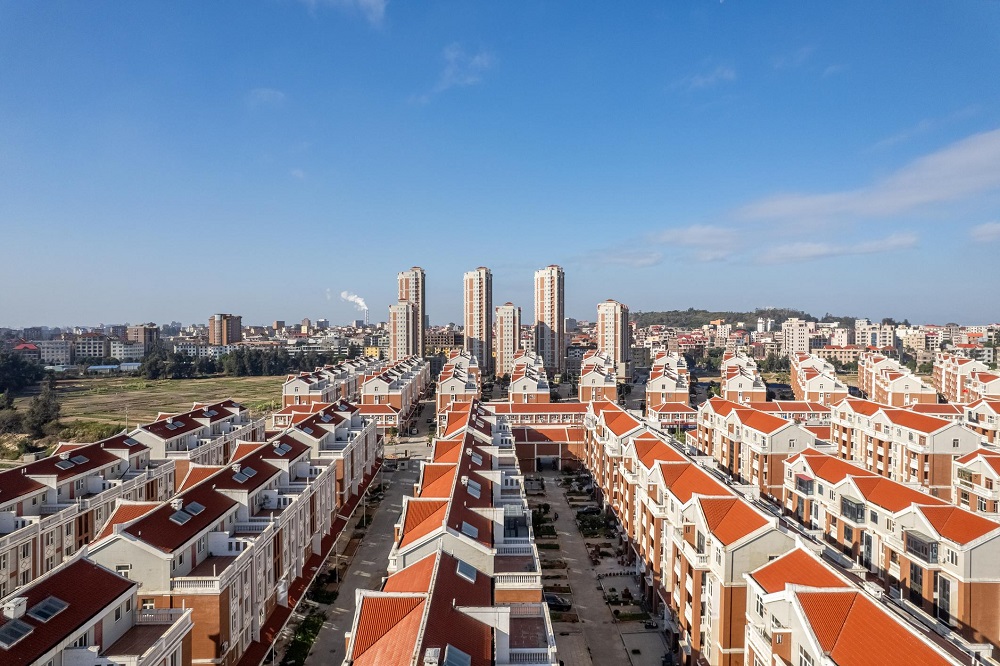
The value of real estate is shaped by many factors, but location consistently remains the most powerful driver of property prices. Whether a property is intended for living, renting, or investment, its surrounding environment directly influences demand, appreciation potential, and long-term profitability.
Understanding how location affects market value helps buyers make smarter decisions and enables investors to identify high-growth opportunities before prices peak.
Why Location Matters More Than Property Size or Design
While interiors can be renovated and layouts modified, location is permanent. A well-maintained property in a weak location often underperforms compared to an average property in a high-demand area.
Location influences:
- Accessibility
- Lifestyle convenience
- Safety and security
- Investment appreciation
- Rental income potential
Because of these factors, buyers typically prioritize neighborhood quality over structural features when comparing properties.
Proximity to Essential Infrastructure
Access to everyday necessities significantly boosts property demand and resale value.
Properties located near the following tend to command higher prices:
- Schools and universities
- Hospitals and healthcare facilities
- Metro stations and highways
- Shopping centers and markets
- Business districts
Convenience reduces commute time and improves quality of life, making such areas attractive for families and professionals alike.
Employment Hubs and Economic Activity
Areas close to major employment centers experience steady housing demand. When job opportunities grow in a region, migration increases—and so do property prices.
Examples of high-impact employment drivers include:
- IT parks
- Industrial corridors
- Corporate headquarters
- Government offices
- Startup ecosystems
Investors often track upcoming infrastructure or commercial zones to identify future appreciation hotspots before the wider market reacts.
Neighborhood Safety and Reputation
Safety is one of the strongest emotional factors affecting real estate decisions.
Properties in secure neighborhoods usually benefit from:
- Higher buyer confidence
- Better resale potential
- Stronger rental demand
- Stable long-term appreciation
Well-maintained surroundings, street lighting, and active community presence all contribute to perceived neighborhood quality.
Connectivity and Transportation Networks
Efficient transportation increases accessibility and widens the pool of potential buyers or tenants.
Connectivity advantages include:
- Reduced commute time
- Increased rental demand
- Stronger resale performance
- Higher investment liquidity
Upcoming metro lines or highway expansions often trigger sharp increases in nearby property values even before completion.
Availability of Social and Lifestyle Amenities
Modern buyers evaluate neighborhoods based on lifestyle compatibility—not just housing quality.
High-value locations usually include:
- Parks and green spaces
- Restaurants and cafes
- Entertainment zones
- Fitness centers
- Community facilities
Such amenities enhance everyday living and make properties more desirable across multiple buyer segments.
Future Development Potential
One of the most important indicators of location strength is planned infrastructure growth.
Watch for:
- Proposed metro corridors
- Smart city initiatives
- New highways
- Industrial zones
- Commercial complexes
Areas undergoing transformation often deliver the strongest appreciation over time.
Early investors typically benefit the most from these growth cycles.
School District Quality and Family Demand
Families prioritize education access when choosing a home. As a result, areas near reputed schools often maintain steady demand regardless of broader market fluctuations.
Benefits of strong school districts include:
- Higher resale value
- Faster transaction cycles
- Long-term neighborhood stability
- Consistent rental occupancy
This factor plays an especially strong role in suburban residential markets.
Environmental Quality and Surroundings
Buyers increasingly evaluate environmental conditions before purchasing property.
Positive environmental features include:
- Clean air quality
- Low noise levels
- Green surroundings
- Open spaces
Meanwhile, proximity to industrial zones, heavy traffic corridors, or waste facilities can negatively impact property prices.
Supply and Demand Balance in the Area
Even attractive locations may experience slower appreciation if housing supply exceeds demand.
Market value increases faster when:
- Inventory remains limited
- Migration increases
- Employment opportunities grow
- Infrastructure expands
Understanding this balance helps investors avoid overbuilt areas with slower price movement.
Urban vs Suburban vs Emerging Locations
Each location category offers different advantages depending on buyer goals.
Urban locations
Best for:
- Rental income
- Commercial opportunities
- High liquidity
Suburban locations
Ideal for:
- Family living
- Mid-term appreciation
- Affordable ownership
Emerging corridors
Suitable for:
- Long-term investment
- Early entry pricing
- Infrastructure-driven growth potential
Choosing the right category depends on budget, timeline, and financial objectives.
Emotional Appeal and Community Identity
Location value is also influenced by intangible factors such as:
- Community culture
- Walkability
- Neighborhood identity
- Social interaction spaces
These elements shape buyer perception and can significantly influence demand patterns.
Conclusion
Location remains the single most influential factor determining property market value. From infrastructure access and employment hubs to environmental quality and safety, each location characteristic contributes to both immediate pricing and long-term appreciation potential.
Careful evaluation of location trends allows buyers and investors to make confident, future-ready real estate decisions.
Frequently Asked Questions (FAQs)
1. Why does location affect property value more than construction quality?
Construction quality can be improved through renovation, but location cannot be changed. Long-term appreciation depends largely on surrounding infrastructure and demand.
2. Do metro projects always increase nearby property prices?
In most cases, metro connectivity improves accessibility and boosts demand, but the extent of price growth depends on timing, execution, and surrounding development.
3. Is investing in developing areas better than established neighborhoods?
Developing areas often offer higher appreciation potential, while established areas provide stability and immediate livability benefits.
4. How far from a city center should buyers consider purchasing property?
This depends on transportation access. Properties slightly outside city centers with strong connectivity often provide better value for money.
5. Can nearby commercial development reduce residential property value?
It depends on scale. Moderate commercial access increases convenience, but excessive traffic or noise may reduce residential appeal.
6. Does proximity to schools always increase property demand?
Yes, especially among families. Good school access typically strengthens resale potential and rental occupancy rates.
7. How can buyers identify future high-value locations early?
Monitoring infrastructure announcements, employment expansion zones, and transportation projects helps identify areas with strong appreciation potential.