

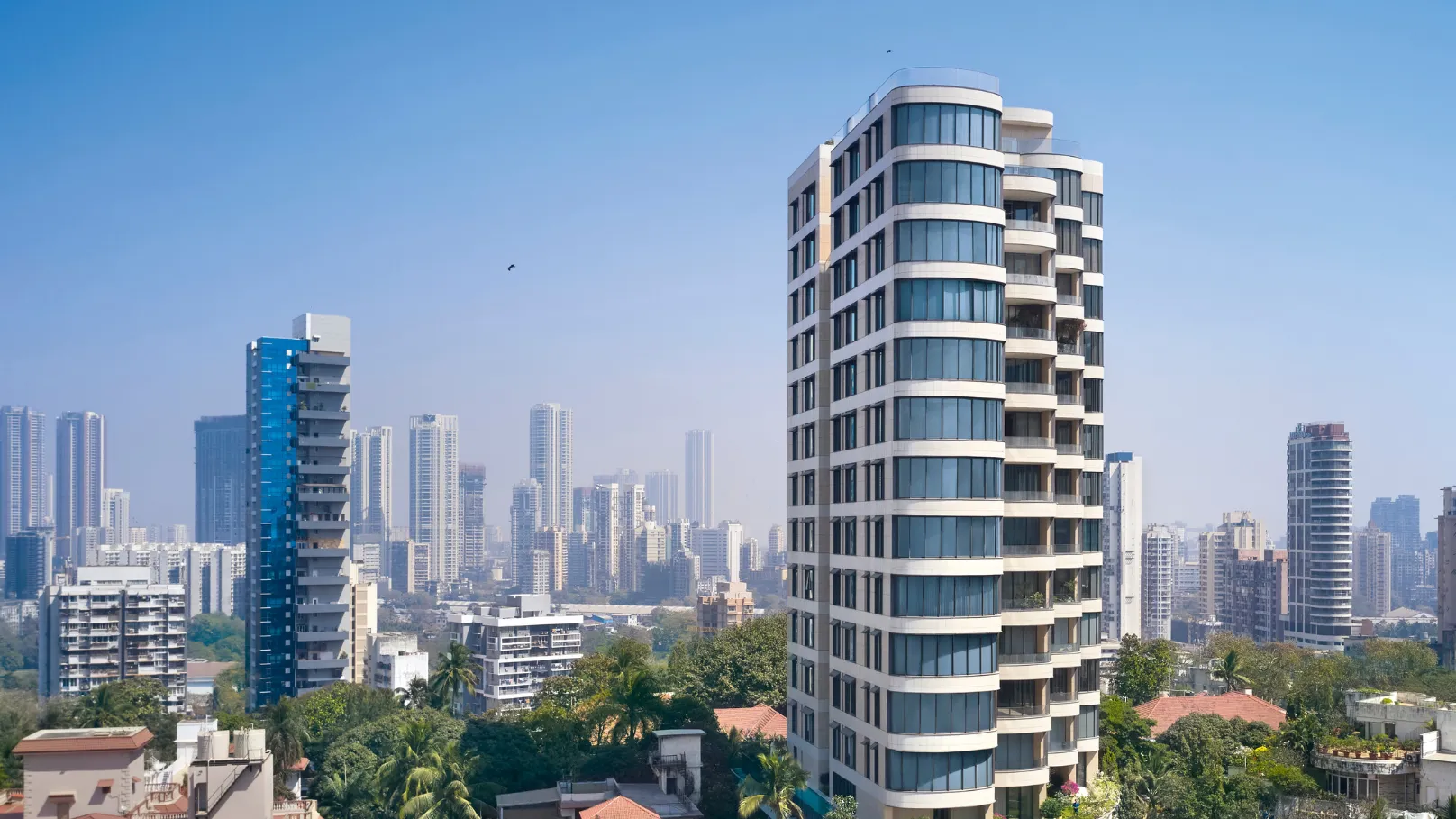
The property market is entering a phase shaped by infrastructure expansion, shifting buyer priorities, evolving financing patterns, and technology-driven decision-making. Investors who track structural trends instead of short-term fluctuations are better positioned to capture appreciation opportunities and stable rental income.
Below are the most important property market trends investors should monitor in the coming years to strengthen portfolio performance and reduce risk exposure.
Rising Demand in Tier-2 and Emerging Cities
Secondary urban centres are becoming powerful growth engines in real estate investment.
Several factors are driving this shift:
- Expanding industrial corridors
- New IT and manufacturing clusters
- Improved highway and rail connectivity
- Lower entry prices compared with metro cities
- Higher long-term appreciation potential
These cities are attracting both end-users and investors seeking affordability with growth prospects.
Investor insight: Early investment in developing corridors often delivers stronger appreciation than saturated metro locations.
Infrastructure-Driven Appreciation Is Becoming More Predictable
Infrastructure is now one of the most reliable indicators of future property value growth.
Projects influencing price movement include:
- Metro rail networks
- Expressways and ring roads
- Airport expansion projects
- Industrial and logistics parks
- Smart city developments
Connectivity upgrades typically lead to stronger housing demand, commercial expansion, and improved rental prospects.
Strategy tip: Track upcoming infrastructure announcements before investing—not after prices rise.
Premium and Luxury Housing Is Driving Market Momentum
High-value housing continues attracting strong interest from both investors and end-users.
Key reasons behind this trend include:
- Rising household incomes
- Preference for larger living spaces
- Lifestyle upgrades after remote-work adoption
- Long-term wealth preservation strategies
Premium housing is increasingly viewed as a dual-purpose lifestyle and investment asset rather than purely speculative real estate.
Investor insight: Luxury housing markets often recover faster after corrections due to stronger buyer purchasing power.
Commercial Real Estate Is Regaining Strength
Office and workspace demand is stabilising as businesses adopt hybrid operational models.
Sectors supporting commercial leasing growth include:
- Technology services
- Finance and consulting
- Engineering firms
- Flexible workspace providers
Grade-A office developments near employment hubs continue offering attractive long-term rental income opportunities.
Investor insight: Location quality matters more than ever in commercial property performance.
Rental Yield Strategies Are Becoming More Popular
Investors are increasingly prioritising predictable rental income alongside capital appreciation.
High-yield property categories include:
- Co-living developments
- Student housing
- Furnished rental apartments
- Logistics warehouses
- Serviced residences
This shift reflects a growing preference for steady cash flow instead of purely appreciation-driven strategies.
Strategy tip: Evaluate tenant demand and occupancy patterns before selecting an investment location.
Sustainability and Smart Buildings Are Influencing Buyer Decisions
Environmental performance is becoming a major value driver in modern property markets.
Buyers increasingly prefer developments that include:
- Energy-efficient systems
- Smart-home automation
- Water-saving infrastructure
- Climate-resilient construction materials
Green-certified buildings often command stronger resale value and tenant demand.
Investor insight: Sustainability features are moving from optional upgrades to market expectations.
Interest Rates and Financing Conditions Still Shape Market Timing
Borrowing costs continue influencing investment decisions across residential and commercial property segments.
When financing conditions improve:
- Transaction activity increases
- Buyer confidence strengthens
- Developers launch new projects
- Investment liquidity expands
Monitoring lending trends helps investors identify favourable entry windows.
Strategy tip: Timing investments around financing cycles can significantly improve long-term returns.
Alternative Real Estate Assets Are Emerging Rapidly
Alternative real estate segments are attracting increasing institutional and private investor attention.
High-growth asset categories include:
- Data centres
- Logistics hubs
- Healthcare facilities
- Senior living communities
- Student accommodation
These sectors benefit from long-term demand drivers linked to demographics, digital infrastructure, and urbanisation trends.
Investor insight: Diversifying into alternative assets reduces exposure to housing market cycles.
Technology Is Transforming Property Investment Decisions
Digital platforms are reshaping how investors analyse opportunities and manage portfolios.
Technology now enables investors to:
- Track neighbourhood growth indicators
- Compare price movement trends
- Estimate rental yield potential
- Complete transactions remotely
Data-driven decision-making improves transparency and reduces reliance on informal market signals.
Strategy tip: Investors using analytics tools often identify opportunities earlier than traditional market participants.
Supply Levels Are Reshaping Price Growth Expectations
Inventory expansion in several markets is changing how price cycles behave.
Instead of uniform growth across regions, investors are now seeing:
- Location-specific appreciation
- Segment-based demand variation
- Stabilisation in oversupplied micro-markets
- Strong performance in infrastructure-linked zones
Understanding supply dynamics helps avoid overvalued investment pockets.
Investor insight: Future gains will depend more on micro-location selection than broad market timing.
Frequently Asked Questions (FAQs)
1. Which property markets currently show the strongest growth potential?
Emerging cities near infrastructure corridors and employment clusters typically offer strong appreciation prospects.
2. Is rental income becoming more important than price appreciation?
Yes. Many investors now prioritise steady rental yield alongside long-term capital growth.
3. Are luxury properties suitable for first-time investors?
Luxury properties can perform well but usually require higher capital and longer investment horizons.
4. How does infrastructure development affect property value?
Improved connectivity increases accessibility, employment activity, and residential demand, which supports price appreciation.
5. Are commercial properties riskier than residential investments?
Commercial assets may involve longer vacancy cycles but often provide stronger rental yields.
6. What role does sustainability play in property investment decisions?
Energy-efficient and environmentally responsible buildings attract better tenants and maintain stronger resale value.
7. Should investors diversify across multiple property types?
Yes. Diversification across residential, commercial, and alternative assets helps stabilise returns and reduce portfolio risk.