

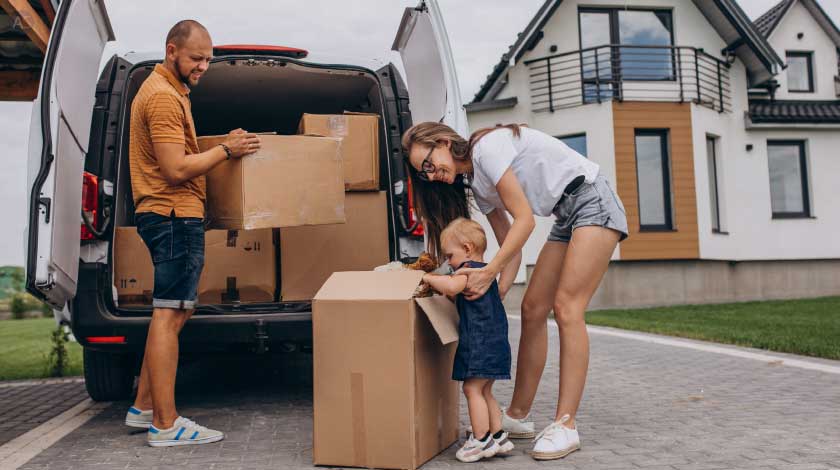
Long-distance moving involves more planning, coordination, and decision-making than a local move. Whether you’re relocating for work, education, or lifestyle changes, a structured strategy helps protect your belongings, manage expenses, and reduce stress throughout the journey.
This guide explains how to prepare, pack, transport, and settle efficiently during a long-distance relocation.
What Counts as a Long-Distance Move?
A move is generally considered long-distance when it involves:
- Relocating to another city or state
- Traveling more than 100 kilometers
- Crossing regional boundaries
- Requiring overnight transportation planning
Because travel time increases, careful logistics become essential.
How to Plan a Long-Distance Move Efficiently
Successful relocation begins with early preparation. Ideally, planning should start 6–8 weeks before moving day.
Step 1: Create a Moving Budget
Long-distance relocation includes several expenses beyond transportation.
Typical moving costs include:
- Packing supplies
- Professional movers
- Fuel or transport charges
- Storage (if needed)
- Insurance coverage
- Temporary accommodation
Planning your budget early prevents unexpected financial pressure.
Decluttering Before a Long-Distance Move
Transporting unnecessary items increases cost and effort. Decluttering helps reduce weight, save money, and simplify unpacking.
Sort items into four categories:
- Keep
- Donate
- Sell
- Dispose
Prioritize keeping only essential and meaningful belongings.
Choosing the Right Moving Method
Your transportation choice depends on distance, budget, and the volume of items.
Option 1: Professional Movers
Best for:
- Families relocating with furniture
- Busy schedules
- Fragile or valuable items
Advantages include safety, speed, and convenience.
Option 2: Self-Moving
Suitable for:
- Students
- Small households
- Budget-conscious movers
This option requires renting a vehicle and managing packing independently.
Option 3: Hybrid Moving Services
A cost-effective alternative where:
- Movers handle transport
- You handle packing and unpacking
This balances affordability and support.
Packing Techniques for Long-Distance Safety
Long-distance travel increases the risk of item damage. Proper packing reduces breakage.
Essential packing tips:
- Use strong double-layer cartons
- Wrap fragile items individually
- Fill empty spaces with cushioning
- Label boxes clearly by room
- Keep documents separately
Always pack an essentials bag with items needed for the first 48 hours.
Managing Important Documents During Relocation
Keep important paperwork accessible rather than packing it in transport boxes.
Documents to carry personally include:
- Identification cards
- Property agreements
- School certificates
- Insurance documents
- Medical records
- Utility transfer confirmations
Store them in a waterproof folder.
Updating Your Address Before Moving
Address updates prevent service interruptions and communication delays.
Notify the following institutions:
- Banks
- Insurance providers
- Employers
- Subscription services
- Educational institutions
- Government records
Early updates ensure continuity after arrival.
Preparing Your New Home Before Arrival
If possible, arrange basic services in advance.
Things to prepare beforehand:
- Electricity connection activation
- Water supply confirmation
- Internet installation scheduling
- Cleaning arrangements
- Basic groceries purchase
This helps you settle comfortably on your first day.
Keeping Children and Pets Comfortable During the Move
Relocation can be stressful for both children and animals.
Helpful strategies include:
- Explaining the moving process early
- Keeping favorite toys accessible
- Maintaining familiar routines
- Preparing travel snacks
- Scheduling rest breaks during transit
A calm transition helps everyone adjust faster.
Staying Organized on Moving Day
Moving day coordination determines how smoothly everything proceeds.
Checklist for moving day success:
- Confirm transporter arrival time
- Keep valuables with you
- Check all rooms before departure
- Photograph packed items if needed
- Lock doors and windows securely
Perform a final walkthrough before leaving.
Settling Quickly After a Long-Distance Move
Unpacking strategically makes your new space feel like home sooner.
Start with:
- Bedroom essentials
- Kitchen basics
- Bathroom supplies
- Storage setup
Gradual unpacking reduces fatigue and confusion.
Frequently Asked Questions (FAQs)
1. How early should I start preparing for a long-distance move?
Preparation ideally begins 6–8 weeks before moving day to allow time for planning, packing, and service transfers.
2. What items should never be packed in a moving truck?
Important documents, jewelry, medicines, electronics, and personal valuables should always remain with you.
3. How can I reduce long-distance moving costs?
Decluttering belongings, comparing transport options, and packing items yourself can significantly reduce expenses.
4. Is moving insurance necessary for long-distance relocation?
Insurance is recommended because long-distance travel increases the risk of accidental damage.
5. What is the best way to pack fragile household items?
Wrap each item individually using bubble wrap or cloth padding and place them in reinforced boxes with cushioning material.
6. How long does it take to settle into a new home after relocation?
Most people adjust within one to two weeks, depending on preparation and unpacking efficiency.
7. Should utilities be activated before arrival at the new house?
Yes. Scheduling electricity, water, and internet connections before arrival ensures immediate comfort after moving.