

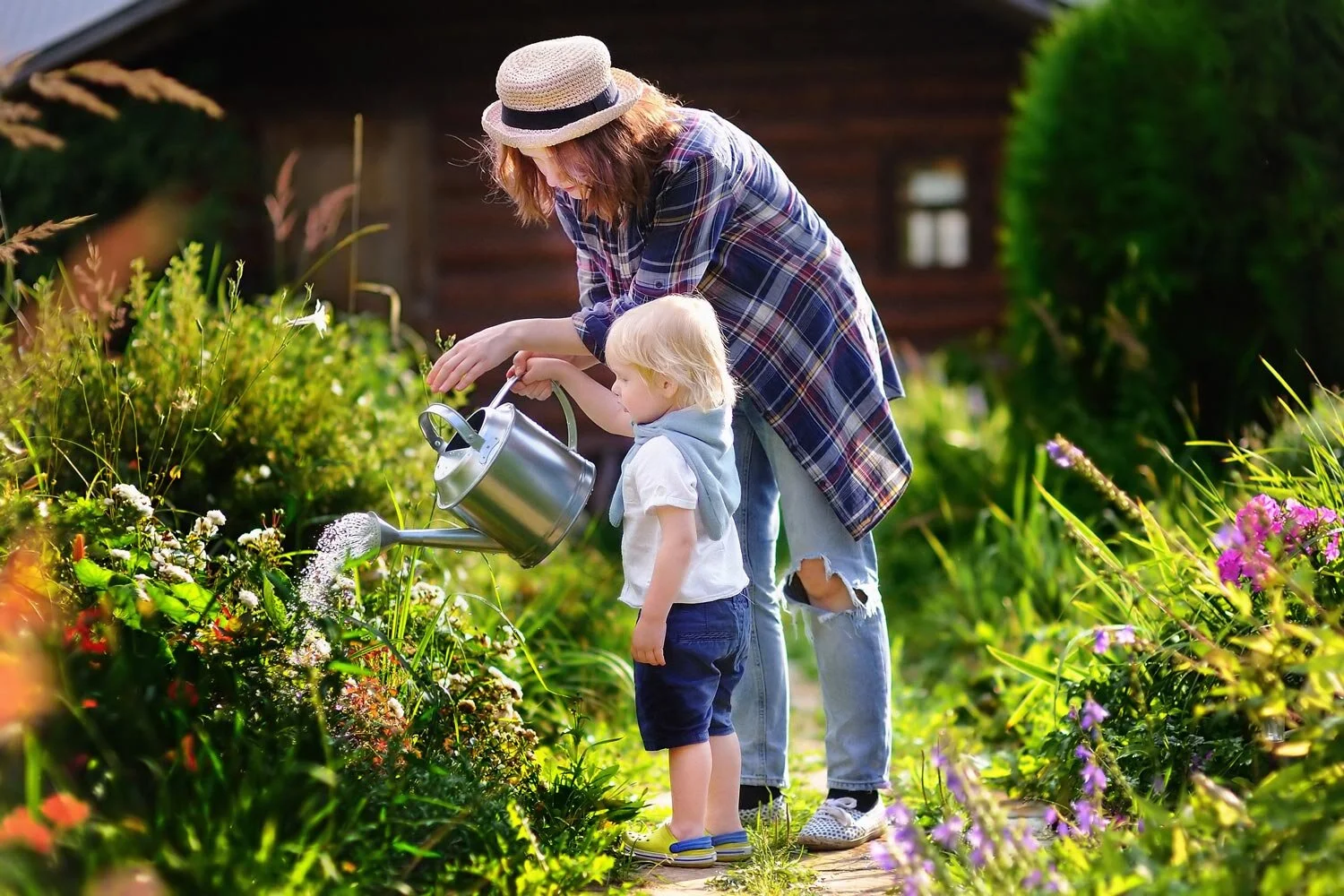
Creating a healthy backyard garden improves air quality, supports relaxation, and provides fresh greenery right outside your door. With thoughtful planning and simple routines, outdoor gardening becomes both enjoyable and manageable—even for beginners.
This guide explains practical backyard gardening methods that help maintain vibrant plants and a welcoming outdoor space throughout the year.
Why Backyard Gardening Improves Outdoor Living
Gardening does more than beautify your surroundings. It also strengthens your connection with nature and promotes everyday wellbeing.
Key advantages include:
- Fresher and cleaner surrounding air
- Reduced outdoor dust levels
- Access to homegrown herbs or vegetables
- Stress reduction through nature exposure
- Increased property appeal and usability
A well-maintained garden transforms unused outdoor space into a functional lifestyle area.
Choosing The Right Location For Your Garden
The success of any garden begins with proper placement. Plants thrive when they receive the correct balance of sunlight, airflow, and soil support.
Before planting, evaluate:
- Daily sunlight exposure (6–8 hours ideal for most plants)
- Water drainage conditions
- Accessibility for maintenance
- Protection from strong winds
Selecting the right location reduces plant stress and improves long-term growth.
Preparing Soil For Strong Plant Growth
Healthy soil forms the foundation of productive gardening. Poor soil often leads to weak roots and slow development.
Improve soil quality by:
- Mixing compost into garden beds
- Removing stones and debris
- Loosening compact soil layers
- Adding organic fertilizers when needed
Nutrient-rich soil supports stronger plants and reduces the need for chemical inputs.
Selecting Easy Plants For Beginners
Starting with low-maintenance plants builds confidence and ensures early success.
Beginner-friendly options include:
- Tomatoes
- Spinach
- Mint
- Marigolds
- Chili plants
These plants adapt well to typical backyard environments and require minimal specialized care.
Smart Watering Techniques For Outdoor Gardens
Watering is one of the most important gardening routines. However, overwatering can harm plants just as much as underwatering.
Follow these effective watering practices:
- Water early in the morning
- Focus water near plant roots
- Avoid soaking leaves unnecessarily
- Adjust frequency during hot weather
Consistent watering schedules encourage deeper root development.
Using Natural Mulching For Better Soil Protection
Mulching improves moisture retention and prevents weed growth naturally.
Common mulching materials include:
- Dry leaves
- Straw
- Coconut husk pieces
- Grass clippings
Mulch also stabilizes soil temperature during seasonal changes.
Managing Weeds Without Harsh Chemicals
Weeds compete with plants for nutrients and sunlight. Removing them regularly keeps your garden healthy.
Practical weed-control habits:
- Pull weeds while soil is slightly moist
- Use mulch to block sunlight from weed seeds
- Maintain proper plant spacing
- Inspect garden beds weekly
Early removal prevents larger infestations later.
Supporting Plants With Simple Garden Structures
Some plants grow better when supported properly.
Helpful support options include:
- Bamboo sticks for climbing plants
- Garden twine for flexible stems
- Small trellis panels for vines
- Border edging for plant protection
Support structures improve airflow and reduce stem damage.
Seasonal Gardening Maintenance Tips
Each season requires small adjustments to keep your garden thriving.
During summer:
- Increase watering frequency
- Provide partial shade if needed
- Check soil moisture regularly
During winter:
- Reduce watering
- Remove dry leaves
- Protect sensitive plants from cold winds
Seasonal care keeps plants resilient year-round.
Outdoor Garden Cleaning And Organization Practices
Keeping the garden area organized improves both safety and efficiency.
Useful maintenance habits include:
- Storing tools in a dry location
- Clearing fallen leaves regularly
- Cleaning garden pathways
- Checking plant health weekly
A tidy garden encourages consistent care routines.
Encouraging Beneficial Insects In Your Garden
Not all insects harm plants. Many actually protect gardens naturally.
Helpful insects include:
- Bees for pollination
- Ladybugs that reduce pests
- Butterflies supporting plant reproduction
Planting flowering varieties helps attract these beneficial species.
Creating A Relaxing Outdoor Gardening Space
A garden should feel welcoming as well as functional.
Enhance comfort by:
- Adding simple seating areas
- Creating walking paths
- Using decorative pots
- Growing fragrant plants near resting zones
These additions turn your backyard into a peaceful retreat.
FAQ
1. How large should a beginner’s backyard garden be?
Starting with a small manageable area helps maintain consistency and prevents overwhelm.
2. What type of compost works best for home gardens?
Kitchen vegetable scraps, dry leaves, and organic yard waste create effective compost mixtures.
3. How can I protect plants from heavy rain damage?
Use raised beds, proper drainage channels, and temporary covers during intense rainfall.
4. Is container gardening suitable for backyard spaces?
Yes, containers are ideal for small yards and allow flexible plant placement.
5. How often should garden tools be cleaned?
Tools should be cleaned after each major use to prevent rust and soil contamination.
6. Can flowering plants improve vegetable garden productivity?
Yes, flowering plants attract pollinators that support vegetable growth.
7. What is the easiest way to improve garden soil naturally?
Adding compost regularly is the simplest and most effective method for improving soil health.