

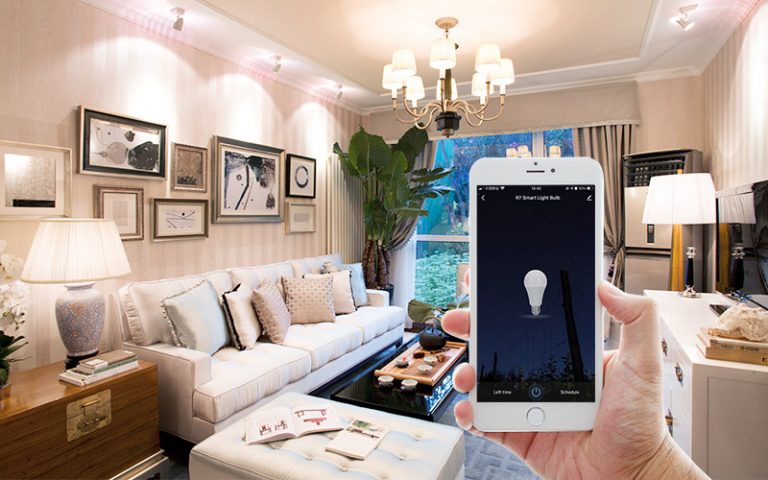
In today’s age of smart technology, the concept of a “smart home” extends far beyond just high-tech security systems or voice-activated assistants. One of the most transformative and understated aspects of a smart home strategy is intelligent lighting. Though often overlooked, lighting is the backbone of any modern smart home, providing functionality, security, and energy efficiency while also enhancing comfort and aesthetics.
Whether you’re just beginning to automate your home or looking to optimize an existing system, incorporating smart lighting should be one of the first and most crucial steps. But why, exactly, should lighting be so central to your smart home strategy? In this article, we will explore the many benefits of smart lighting and how it can elevate your living environment, making it not just smarter, but also more comfortable and energy-efficient.
1. Convenience and Control
One of the most immediate advantages of smart lighting is the level of convenience it offers. Traditional lighting requires manual operation, often from switches located in inconvenient places. Smart lighting, however, can be controlled remotely via smartphones, tablets, or voice commands through smart assistants like Amazon Alexa, Google Assistant, or Apple’s Siri.
Imagine coming home after a long day, and with a single command, the lights automatically turn on, creating a welcoming ambiance. Similarly, you could instruct your lights to gradually dim as you wind down for the evening or brighten when you wake up in the morning. The ability to adjust the lighting in your home with ease, whether you are at home or away, allows for an unparalleled level of convenience.
Moreover, smart lighting systems offer app-based controls that allow users to set schedules, creating lighting scenes that match different times of the day or activities. Whether it’s brightening the kitchen for cooking, dimming the living room for movie night, or adjusting the lights to enhance productivity in your home office, you have complete control at your fingertips.
2. Enhanced Energy Efficiency
Energy consumption is one of the largest expenses for any household, and lighting is a major contributor to that cost. According to the U.S. Department of Energy, lighting accounts for approximately 10-15% of the average home’s energy use. Traditional incandescent bulbs are notoriously inefficient, but by switching to LED bulbs—one of the key components of most smart lighting systems—you can dramatically reduce your energy consumption.
Smart lighting systems offer automated features that take energy efficiency to the next level. For instance, you can program your lights to turn off automatically when a room is unoccupied or to adjust brightness based on the time of day or available natural light. Furthermore, many smart lighting systems provide real-time energy consumption data, allowing you to track your usage and make adjustments as necessary.
Beyond the financial savings, smart lighting contributes to sustainability by reducing your carbon footprint. As we move toward a more energy-conscious world, smart lighting systems offer an elegant solution that combines convenience with environmental responsibility.
3. Personalized Atmosphere and Ambience
Lighting plays a pivotal role in setting the mood and atmosphere of a room. Whether you’re hosting a dinner party, enjoying a quiet evening with a book, or throwing a celebration, the right lighting can make a significant impact. Traditional lighting is limited to basic on/off switches, and while dimmers offer some level of customization, they don’t provide the same degree of versatility as smart lighting systems.
With smart lighting, you can tailor your lighting to suit any occasion. You can adjust the color temperature, from warm and cozy to bright and energizing, or even choose from millions of colors to match your mood or the décor. For example, you can program warm, golden hues for a relaxing evening or bright, cool tones for a productive work session.
Some smart lighting systems also allow for dynamic lighting, meaning that your lights can change based on the rhythm of music or the action on a screen. This creates an immersive environment that enhances the sensory experience in your home. By integrating smart lighting with other home entertainment systems, you can enjoy a synchronized lighting experience that responds to the entertainment around you.
4. Increased Security and Safety
Lighting is one of the most effective ways to enhance the security of your home. A well-lit exterior not only discourages potential intruders but also helps keep your home visible and secure during the night. Many smart lighting systems offer features such as motion sensors, which trigger lights to turn on when someone approaches, creating a sense of presence even when you’re not home.
For example, smart floodlights around your driveway or backyard can automatically turn on when motion is detected, providing both illumination and a deterrent to would-be intruders. Moreover, lights that are programmed to turn on and off at random times while you’re away give the illusion of occupancy, further bolstering your home’s security.
Inside the house, smart lighting can be programmed to turn on or off when certain conditions are met, such as when a door is opened or when motion is detected in a room. This automation improves safety by ensuring that the right rooms are lit when needed, especially in the event of an emergency or power outage.
5. Seamless Integration with Other Smart Devices
One of the most compelling reasons to incorporate smart lighting into your strategy is its ability to integrate seamlessly with other smart devices in your home. Smart lighting systems can work in conjunction with smart thermostats, security cameras, voice assistants, and more, creating a fully interconnected environment that enhances the overall functionality of your home.
For instance, you can integrate your smart lighting system with a smart thermostat to ensure that the lights dim automatically when the temperature drops at night, enhancing comfort while saving energy. Additionally, you could link your lights to a security system so that the lights automatically turn on when your alarm system is triggered, providing immediate illumination and an added layer of security.
Many smart lighting systems are also compatible with home automation hubs like Samsung SmartThings or Apple HomeKit, which allow you to create advanced routines that tie together various smart devices. These routines can be personalized to fit your lifestyle, whether it’s setting your lights to adjust as you move through different rooms or activating your lights alongside your home security system when you leave for work.
6. Health and Well-being Benefits
Lighting has a profound impact on our physical and mental well-being, and smart lighting offers opportunities to improve both. Research has shown that exposure to the right type of light at the right time of day can improve sleep quality, boost productivity, and regulate our circadian rhythm.
Smart lighting systems that allow for adjustments to the color temperature of your lights can help mimic natural daylight, promoting alertness during the day and aiding relaxation at night. For example, in the morning, bright, cool white light can help you wake up and feel energized, while warmer tones in the evening can signal to your body that it’s time to unwind.
Some smart lighting systems even come with built-in features to help with sleep and wellness, such as gradual dimming functions that help you ease into sleep, or sunrise and sunset settings that simulate the natural light cycle. By aligning your lighting with your body’s natural rhythms, you can create a more health-conscious home environment.
7. Cost Savings Over Time
While the initial investment in smart lighting may seem significant, the long-term savings are undeniable. Smart lighting systems, which typically use energy-efficient LED bulbs, significantly reduce energy consumption compared to traditional incandescent bulbs. Moreover, the added automation and scheduling features allow you to eliminate wasted energy by ensuring that lights are only on when needed.
In addition to the energy savings, the durability of LED bulbs means that you’ll need to replace them less frequently, which further reduces costs over time. Many smart lighting systems are also designed to be scalable, meaning you can expand your system as needed without requiring a complete overhaul.
Conclusion
Incorporating smart lighting into your home strategy is more than just a convenience—it’s a game changer that improves comfort, security, energy efficiency, and even your well-being. The benefits of smart lighting extend far beyond simple automation; it offers enhanced control, personalization, and integration with other devices, creating a seamless and dynamic living environment.
Whether you’re looking to reduce energy consumption, create an ambiance that matches your lifestyle, or improve the safety and security of your home, smart lighting should be at the top of your home automation priorities. With the growing variety of smart lighting solutions available on the market today, there has never been a better time to enhance your home’s intelligence and take full advantage of what smart lighting has to offer. As technology continues to advance, lighting will remain one of the cornerstones of the smart home experience—illuminating not just your space, but your life.