

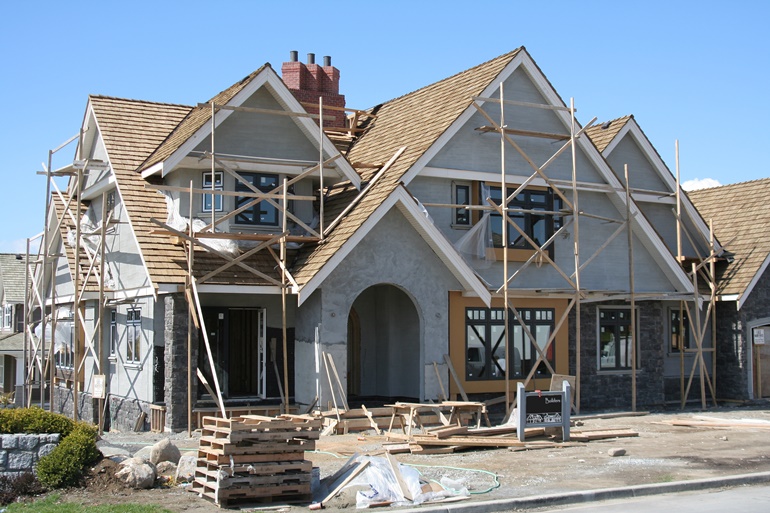
When you imagine building a home, it’s easy to picture the finished space: the polished floors, the painted walls, and the carefully chosen décor. But long before these aesthetic details come into play, there’s a critical phase that sets the foundation for everything else: shell construction.
Often overlooked by homeowners, shell construction is one of the most vital stages in any residential project. It determines not just the structure’s strength, but also its longevity, safety, and ability to withstand environmental factors. Whether you’re building a new home or planning a large-scale renovation, understanding this phase can help you make smarter decisions and avoid costly mistakes.
What is Shell Construction?
Shell construction refers to the creation of a building’s structural framework, essentially the “skeleton” of the house. This includes:
- Foundation
- Structural walls
- Columns and beams
- Floor slabs
- Roof structure
At this stage, the building takes shape, but it is not yet finished. There are no interiors, fittings, or decorative elements: just the core structure that supports everything else.
Think of it as the difference between a body and clothing. The shell is the body: strong, functional, and essential, while finishes are the clothing that enhance appearance.
Why Shell Construction Matters
Skipping over the importance of shell construction is one of the biggest mistakes homeowners can make. This phase directly impacts:
1. Structural Integrity
A well-built shell ensures that the home can withstand loads, weather conditions, and long-term wear. Any compromise here can lead to cracks, leaks, or even structural failure.
2. Safety
From earthquakes to heavy rains, your home needs to handle environmental stress. A properly executed shell provides the resilience required to keep occupants safe.
3. Longevity
Homes with strong shell construction age better. They require fewer repairs and maintain their value over time.
4. Cost Efficiency
Mistakes during this phase are expensive to fix later. Investing in quality shell construction reduces long-term maintenance and repair costs.
Key Components of Shell Construction
To truly understand its role, let’s break down the main elements involved:
Foundation
The foundation anchors the entire structure. It transfers the building’s load to the ground and prevents settling or shifting. Soil testing and proper design are crucial here.
Structural Framework
Columns, beams, and load-bearing walls form the framework. They distribute weight evenly and provide stability.
Floor Systems
Concrete slabs or other flooring systems create the base for each level. These must be level, durable, and properly reinforced.
Roofing Structure
Before finishing materials are added, the roof structure ensures protection from external elements like rain, heat, and wind.
The Role of a Shell Contractor
A specialized contractor plays a critical role during this phase. If you’re working in regions like Florida, hiring a shell contractor miami becomes even more important due to specific environmental challenges such as humidity, hurricanes, and coastal conditions.
A reliable shell contractor miami is responsible for:
- Interpreting architectural and structural plans
- Ensuring compliance with local building codes
- Managing materials like concrete, steel, and masonry
- Supervising labor and construction timelines
- Maintaining quality control at every stage
Their expertise ensures that the structure is not just built, but built right.
Challenges in Shell Construction
While it forms the backbone of a home, shell construction comes with its own set of challenges:
Material Quality
Using substandard materials can compromise the entire structure. Concrete mix, steel reinforcement, and bricks must meet strict standards.
Skilled Labor
Precision is key. Poor workmanship can lead to uneven surfaces, weak joints, and long-term issues.
Weather Conditions
Rain, heat, and humidity can affect curing and material performance. Proper planning and timing are essential.
Budget Management
Cost overruns can happen if planning is not thorough. Unexpected soil conditions or design changes can increase expenses.
How to Ensure Quality Shell Construction
If you’re planning a residential project, here are some practical tips:
Choose the Right Contractor
Don’t just go for the cheapest option. Experience, reputation, and past projects matter significantly.
Insist on Quality Materials
Verify the source and grade of materials being used. Cutting corners here will cost you later.
Regular Site Inspections
Stay involved. Regularly visiting the site helps ensure work is progressing as planned.
Follow Structural Drawings Strictly
Any deviation from approved plans can affect safety and durability.
Get Proper Approvals
Ensure all work complies with local regulations and building codes.
The Long-Term Impact of Shell Construction
The effects of shell construction extend far beyond the initial build. A strong shell:
- Enhances resale value
- Reduces maintenance costs
- Improves energy efficiency
- Provides better insulation and soundproofing
On the other hand, a poorly constructed shell can lead to recurring problems: cracks in walls, water seepage, uneven flooring, and more.
Shell Construction in Modern Homes
With evolving technologies, shell construction is becoming more advanced. Today, builders are incorporating:
- Precast concrete systems
- Advanced reinforcement techniques
- Sustainable materials
- Smart structural designs
These innovations not only improve efficiency but also contribute to environmentally responsible construction.
Final Thoughts
Shell construction may not be the most glamorous part of building a home, but it is undoubtedly the most crucial. It’s the stage where your home’s strength, safety, and durability are defined.
By understanding its importance and working with experienced professionals, especially a trusted shell contractor miami. You can ensure that your residential project stands the test of time.
So before you think about paint colors or furniture layouts, focus on what truly matters: building a solid foundation, literally and figuratively.