

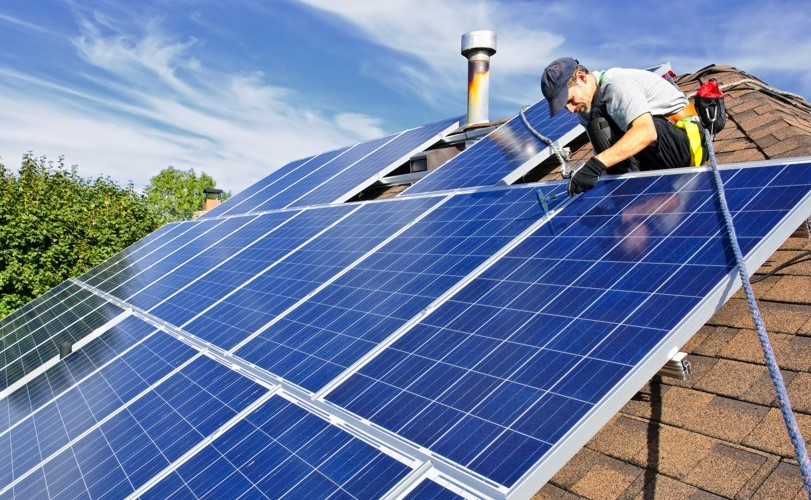
With rising electricity costs and plenty of sunshine throughout the year, more households are exploring solar as part of a broader approach to managing energy use. In Mandurah, solar can be a practical addition, but the effectiveness of a system depends on how well it’s matched to your home and lifestyle.
If you’re looking into solar panel installation in Mandurah, it’s worth understanding how these systems work in local conditions and how they fit into your overall energy setup.
How Solar Works in Everyday Homes
Solar panel systems convert sunlight into electricity that can be used within your home. During daylight hours, your system generates power that can run appliances, reducing the amount of electricity you draw from the grid.
A typical system includes:
- Solar panels mounted on the roof
- An inverter to convert energy into usable electricity
- A meter to track usage and export
The amount of energy generated depends on several factors, including how much sunlight your roof receives and how the system is designed.
In Mandurah, consistent sunshine makes solar a viable option for many homes, particularly when systems are sized and positioned correctly.
Factors That Influence Solar Performance
Not all solar systems perform the same, even within the same area. Several variables can impact how much energy your system produces.
Roof orientation and angle
North-facing roofs generally receive the most sunlight, though east and west-facing setups can still be effective depending on usage patterns.
Shading
Trees, nearby buildings, or roof obstructions can reduce output.
System size
A system should align with your household’s energy consumption. Oversizing or undersizing can affect overall efficiency.
Daily energy use
Homes that use more electricity during the day often benefit most from solar, as they rely less on grid power.
Understanding these factors helps ensure the system performs as expected over time.
Integrating Solar with Other Home Systems
Solar works best when it’s part of a broader energy strategy rather than a standalone upgrade.
For example, hot water systems are one of the largest energy users in many homes. Pairing solar with efficient hot water Mandurah solutions can help shift energy use to daylight hours, making better use of solar generation.
Similarly, heating choices can influence overall electricity demand. Some households consider alternatives like professional wood heating Mandurah to reduce reliance on electrical systems during cooler months.
Looking at how these systems work together can improve overall energy efficiency and reduce long-term costs.
What to Expect During Installation
Installing solar panels involves more than placing panels on the roof. Planning and system design play a key role in long-term performance.
Important considerations include:
Roof condition
Your roof should be in good condition before installation, as solar panels are designed to remain in place for many years.
System design and layout
Panel placement, inverter location, and wiring all affect efficiency and accessibility.
Local environmental factors
In coastal areas like Mandurah, installation methods may need to account for salt exposure and weather conditions.
Future planning
Some homeowners choose systems that allow for future expansion or battery integration.
Understanding the installation process helps set realistic expectations around timelines and system performance.
Maintenance and Long-Term Performance
Solar systems are generally low maintenance, but regular checks can help maintain efficiency.
Simple steps include:
- Keeping panels free from debris and buildup
- Monitoring system output for changes
- Checking inverter operation
- Arranging periodic inspections if needed
Over time, maintaining system performance helps ensure consistent energy generation, particularly during peak sunlight periods.
Is Solar the Right Fit for Your Home?
Solar can be a valuable addition for many Mandurah households, but it’s not a one-size-fits-all solution.
It may be worth considering if:
- Your home receives good sunlight exposure
- You use a portion of your energy during the day
- You’re looking to manage long-term electricity costs
- You’re interested in improving overall energy efficiency
For some homes, the benefits are immediate. For others, solar works best when combined with broader upgrades to how energy is used and managed.
Conclusion
Solar is becoming an increasingly common part of how Mandurah households approach energy use. With the right setup, it can provide reliable daytime power and support a more efficient home.
Understanding how solar panel installation works, what influences performance, and how it integrates with other systems can help you make a more informed decision.
By focusing on practical factors like layout, usage patterns, and long-term goals, you can create a solar setup that supports both comfort and efficiency well into the future.