

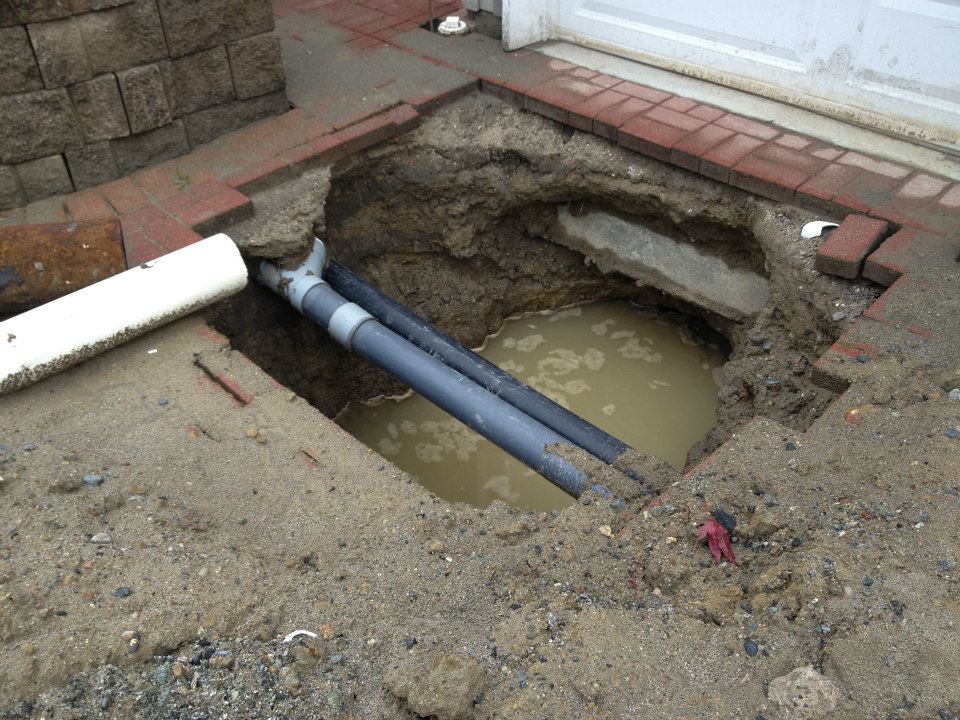
A home’s drainage system is often one of the most overlooked aspects of maintenance, yet it plays a crucial role in preserving the integrity of your property. Proper drainage ensures that excess water is swiftly carried away from your home, preventing flooding, foundation damage, and even mold growth. When drainage issues arise, they can lead to significant and costly repairs. Fortunately, improving your home’s drainage and conducting necessary repairs can prevent long-term damage and enhance the overall functionality of your living space. In this article, we will explore the importance of good drainage, how to assess and improve your system, and the types of repairs that may be needed to keep things running smoothly.
Understanding the Importance of Proper Drainage
Drainage refers to the system of channels, pipes, and slopes that direct water away from your home’s foundation. When properly designed and maintained, a good drainage system keeps rainwater, runoff from sprinklers, and even melting snow from accumulating around your home. Without proper drainage, water can seep into the foundation, causing cracks and weakening structural integrity. It can also lead to moisture buildup in basements, creating an ideal environment for mold and mildew to thrive.
Additionally, poor drainage can contribute to soil erosion, landscaping issues, and even compromise the aesthetics of your yard. Addressing drainage problems is essential not only for the protection of your home but also for the prevention of future expensive repairs.
Assessing Your Home’s Drainage System
Before making improvements, it’s essential to assess the current state of your drainage system. There are several key indicators that can point to drainage issues:
-
Water Accumulation
One of the most obvious signs of poor drainage is the presence of standing water in your yard, near the foundation, or in the basement. This can occur after heavy rainfall or snowmelt, and if left unchecked, it can lead to serious problems like flooding or foundation settlement. -
Foundation Cracks or Settling
Excessive water around your home’s foundation can cause the soil to shift, leading to cracks and settling. These cracks can allow water to penetrate, leading to even more damage. If you notice cracks or shifts in your foundation, it’s time to assess the drainage situation. -
Mold or Musty Odors
Basements or crawl spaces with poor drainage are prime candidates for mold growth. If you notice a musty smell in these areas or see visible mold, it’s a sign that water is seeping in and not being properly redirected away from your home. -
Erosion in the Yard
Water that doesn’t drain properly can wash away soil, leading to uneven patches in your lawn or garden. This erosion not only damages your landscape but can also expose your home’s foundation to potential water damage.
Improving Your Home’s Drainage System
Once you’ve identified the symptoms of poor drainage, it’s time to make improvements. There are several strategies that homeowners can implement to ensure their drainage system is functioning optimally.
-
Install Gutters and Downspouts
Gutters are essential for channeling rainwater off the roof and away from your home’s foundation. If your home does not have gutters or if they are clogged, it can cause water to overflow and pool around the base of your home. Ensure that your gutters are regularly cleaned and maintained to prevent blockages. Downspouts should direct water at least 3 to 5 feet away from the foundation to avoid pooling near your home’s base. -
Landscape Grading
Proper grading is crucial for guiding water away from your foundation. The ground should slope downward away from your home to ensure that water flows away rather than towards the foundation. If you notice areas where the ground is flat or slopes inward, it’s time to regrade your yard. Adding soil and reshaping the landscape can help create the necessary slope to divert water. -
French Drains
A French drain is a trench filled with gravel and a perforated pipe that redirects water away from areas that are prone to flooding. Installing a French drain along the perimeter of your home can significantly improve drainage in areas where water tends to accumulate. This system is particularly effective in yards with heavy clay soil that doesn’t drain easily. -
Install a Sump Pump
For homes with basements, a sump pump can be a vital tool for managing excess water. Sump pumps are installed in a sump basin, which is located in the lowest part of your basement. The pump activates when water fills the basin, automatically redirecting it away from your home. This system can be particularly effective in areas prone to flooding or in homes with a high water table. -
French Drains and Dry Wells
If surface runoff is overwhelming your drainage system, you may need to install a dry well or a French drain. A French drain consists of a trench that is filled with gravel and a perforated pipe. This allows water to flow through the pipe and be absorbed by the surrounding gravel, redirecting it away from the foundation. A dry well is essentially a large hole filled with gravel that allows water to slowly filter into the ground. -
Catch Basins
In areas where rainwater or runoff accumulates in puddles, catch basins are an effective solution. A catch basin is essentially a small drain with a grate that collects water and funnels it into a drainage pipe. These systems are often used in driveways, parking lots, and other areas where water tends to pool.
Repairing Existing Drainage Issues
Sometimes, improving your drainage system requires more than just adding new elements—it also involves repairing the existing components. Here are some common drainage repairs that homeowners should consider:
-
Fixing Clogged or Damaged Gutters
Over time, gutters can become clogged with leaves, twigs, and debris. If left unaddressed, this can cause water to overflow, leading to damage along the roofline and around your foundation. Regularly clean your gutters to prevent clogs, and check for any leaks or damage to the gutter system. If necessary, replace damaged sections to ensure proper water flow. -
Repairing Foundation Cracks
If you notice cracks in your foundation, it’s essential to address them before water can seep in. Cracks in the foundation may need to be sealed with epoxy or polyurethane foam, depending on their size and location. If the cracks are extensive, a structural engineer or foundation repair specialist may need to inspect the situation and recommend further repairs. -
Replacing Old Drain Pipes
Over time, drain pipes can become cracked, clogged, or misaligned, reducing the overall efficiency of your drainage system. If you suspect your pipes are damaged, it may be necessary to replace sections of them. Trenchless pipe replacement technology allows plumbers to replace pipes without the need for extensive digging, which can minimize the disruption to your landscaping. -
Fixing Pooling in Driveways or Patios
Pooling water in driveways or patios can lead to erosion and even cracks in the concrete. Ensure that your driveway has proper drainage by adding drainage channels or a French drain. If the patio area is low-lying, consider regrading the surface to encourage water to flow away from the house.
Conclusion
Good drainage is crucial for maintaining the safety and longevity of your home. By addressing drainage issues and performing necessary repairs, you can protect your property from water damage, foundation problems, and mold growth. Improving your home’s drainage system not only prevents costly repairs down the line but also enhances the overall quality of your living environment. Whether you’re installing gutters, grading your landscape, or repairing cracks in your foundation, investing time and resources into drainage and repair will pay off in the long term. With a well-maintained drainage system, your home will be better equipped to handle the elements and remain a comfortable, secure place for years to come.