

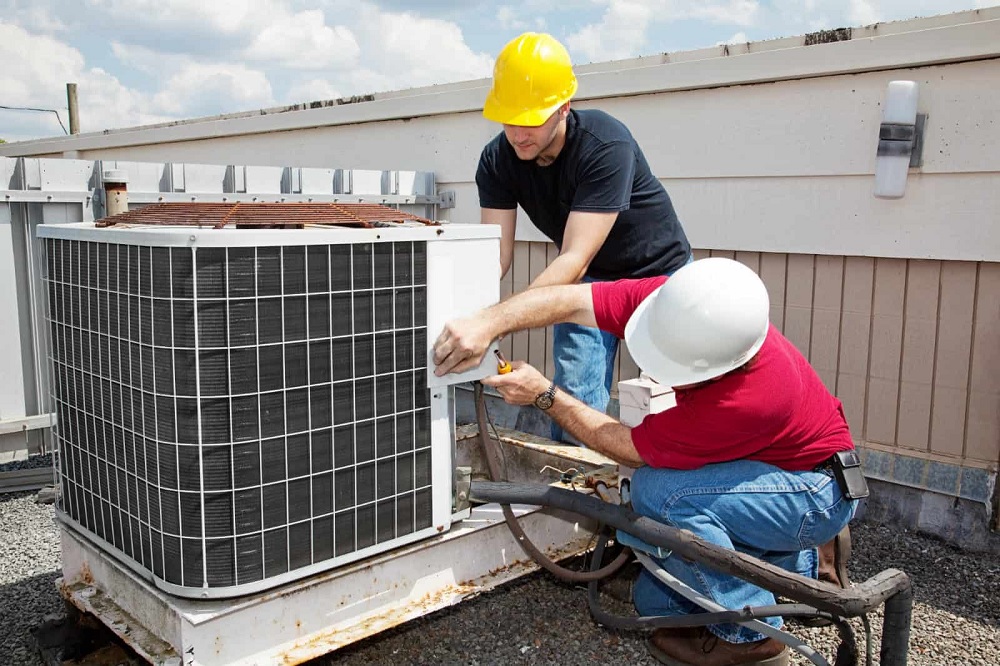
An HVAC system is the backbone of comfort in any home. Whether you’re cooling down during a scorching summer day or staying warm in the winter chill, your HVAC system plays a pivotal role in maintaining a pleasant indoor environment. However, as essential as it is, these systems are prone to wear and tear over time. Regular repairs and maintenance are necessary to keep your HVAC running smoothly, ensuring optimal performance and extending the lifespan of the system.
Understanding common issues and learning effective repair tips can save homeowners a significant amount of money and prevent unnecessary breakdowns. In this article, we’ll explore the top 10 repair tips for improving your HVAC system, from simple DIY fixes to more advanced maintenance steps that may require professional assistance.
1. Regularly Replace or Clean the Air Filters
One of the simplest and most effective repairs you can perform on your HVAC system is replacing or cleaning the air filters. Clogged or dirty filters restrict airflow, making your HVAC system work harder to maintain the desired temperature. Over time, this can lead to increased energy consumption, reduced efficiency, and even overheating. It’s recommended to check the filters every month, especially during peak heating or cooling seasons. Replacing or cleaning them every 1-3 months can drastically improve system efficiency and prolong the life of the equipment.
2. Clean the Coils for Efficient Cooling and Heating
The evaporator and condenser coils in your HVAC system play an important role in heat exchange. Over time, these coils can become dirty and obstructed, reducing the system’s efficiency. Dirty coils make it harder for the system to cool or heat your home, which can lead to higher energy bills and potential system failure. To clean them, first turn off the power to the system, then use a vacuum or coil cleaner to remove any debris or dirt buildup. If you’re not comfortable with this task, it’s a good idea to schedule a professional cleaning at least once a year to keep the coils in optimal condition.
3. Check and Unclog the Condensate Drain
The condensate drain is responsible for removing moisture produced by your HVAC system. If the drain becomes clogged with debris or algae, it can lead to water damage, mold growth, or reduced cooling performance. Regularly check the condensate line to ensure it’s clear and flowing smoothly. If you notice water pooling around the indoor unit, it’s a sign the drain may be blocked. To fix this, use a wet/dry vacuum to clear any debris from the line, and consider using a vinegar solution to help disinfect and prevent further clogs.
4. Inspect and Seal Ductwork
Leaky ducts can waste a significant amount of energy by allowing cool or warm air to escape before reaching its destination. If you’ve noticed uneven temperatures in certain rooms or higher energy bills, it might be time to inspect your ductwork for leaks. You can check for leaks by feeling around the ducts for air or using a smoke pencil to detect airflow. Sealing gaps or cracks with duct tape or mastic sealant can help improve the efficiency of your HVAC system. For larger leaks or extensive ductwork issues, it’s best to call in a professional.
5. Maintain the Blower Motor and Fan
The blower motor and fan circulate air throughout your home, and over time, they can accumulate dust or become worn out. Lack of airflow or strange noises from the system could be signs of a problem with the blower motor. Ensure the motor is clean and properly lubricated to avoid wear and tear. You can clean the motor by using a brush or compressed air to remove any dust buildup. If the motor is malfunctioning, it may need to be replaced, which is a task better suited for a professional technician.
6. Check Refrigerant Levels
If your HVAC system isn’t cooling your home efficiently, low refrigerant levels could be the culprit. Refrigerant is essential for the cooling process, and a shortage can cause the system to underperform, leading to higher energy costs. Check the refrigerant level periodically, and if you suspect a problem, contact a licensed HVAC technician. Low refrigerant can also be a sign of a leak in the system, which should be repaired by a professional to avoid further damage.
7. Tighten and Inspect Belts
If your HVAC system uses belts for the fan or other components, it’s important to inspect them regularly for wear and tear. Loose or worn-out belts can cause the system to function inefficiently, leading to unnecessary strain on the motor. Tighten or replace belts that have become loose or cracked. For some systems, this task might require professional assistance, but if you’re comfortable with the process, it can be done on your own. Regularly checking the belts and making sure they are in good condition will ensure the longevity of the system.
8. Ensure Proper Insulation and Sealing
Proper insulation around your HVAC system helps maintain the temperature in your home and improves the system’s efficiency. Check the insulation around the ducts, especially if they run through unconditioned spaces like attics or crawlspaces. Damaged or inadequate insulation can cause significant energy loss, leading to higher heating or cooling costs. Replace or add insulation where necessary, particularly if the system is older or your energy bills have been creeping up.
9. Regularly Inspect and Clean the Thermostat
A malfunctioning thermostat can wreak havoc on your HVAC system, causing it to run inefficiently or fail to maintain the desired temperature. Over time, thermostats can become dirty or miscalibrated. Regularly inspect and clean the thermostat to ensure it’s functioning correctly. You can do this by turning off the system and removing the thermostat cover. Use a soft brush or cloth to remove any dust or debris that may have built up. If the thermostat is still malfunctioning, it might need recalibration or replacement, which is best handled by a professional.
10. Invest in a Programmable Thermostat
A programmable thermostat can help you save energy by automatically adjusting the temperature based on your daily schedule. If you’re still using an old manual thermostat, it may be time to upgrade to a more modern, energy-efficient model. With a programmable thermostat, you can set specific times for heating or cooling, ensuring that the system only runs when needed. This simple upgrade can significantly reduce energy waste, lower your utility bills, and increase the overall efficiency of your HVAC system.
Conclusion: Stay Ahead with Regular Maintenance
When it comes to HVAC systems, regular repairs and maintenance are essential for maintaining efficiency and avoiding expensive repairs down the line. By following these 10 repair tips, homeowners can ensure their HVAC systems continue to run smoothly, saving energy and money while improving comfort. From replacing air filters to upgrading the thermostat, simple tasks like these can make a noticeable difference in both the performance of the system and the size of your utility bills.
If any of these repairs seem beyond your comfort level, it’s always wise to consult a professional HVAC technician who can provide expert guidance and assistance. A well-maintained HVAC system not only increases energy efficiency but also prolongs the lifespan of the equipment, ultimately ensuring a more comfortable and cost-effective home.