

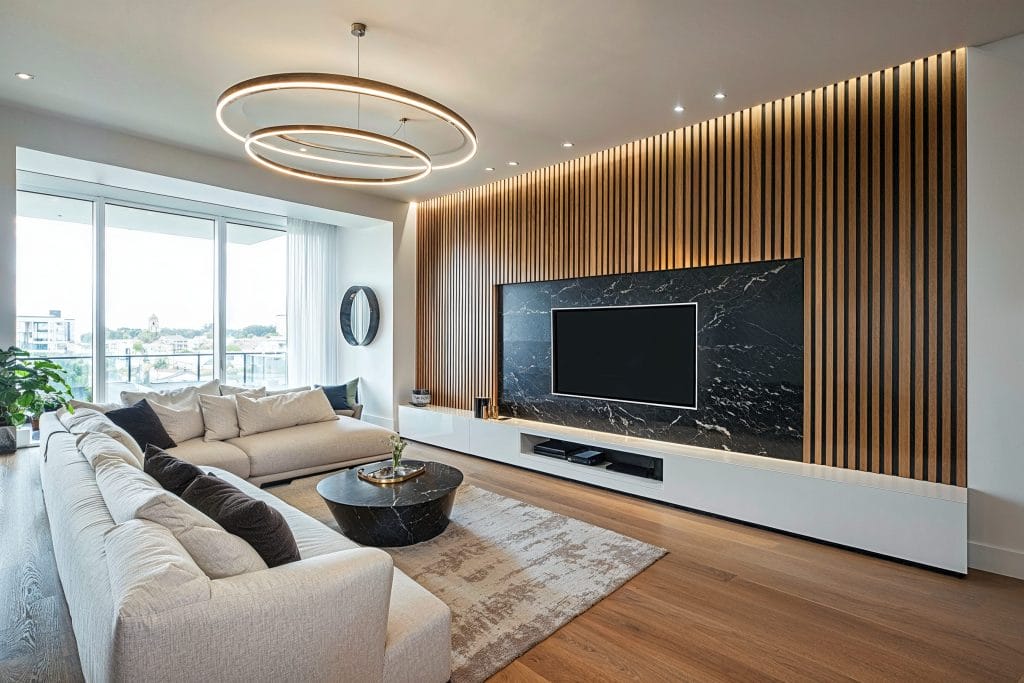
Minimalism in interior design isn’t just about removing clutter—it’s about creating a space that fosters tranquility, clarity, and balance. By focusing on simplicity and functionality, minimalist design allows us to embrace only what is essential and beautiful. The minimalist approach is not merely an aesthetic; it’s a lifestyle choice that can transform the way we interact with our homes, making them more serene, more organized, and more purposeful. If you’re ready to overhaul your living space and create an environment that feels both calming and sophisticated, this article will guide you through the steps to improve your home with minimalist interior design.
The Essence of Minimalism in Interior Design
Minimalism has its roots in art and architecture but has evolved into a design philosophy that applies to nearly every facet of modern life. The goal of minimalist interior design is to reduce excess, to create spaces that are simple yet functional, calm yet compelling. Every piece of furniture, every decor item, and every color palette should have a purpose and contribute to a cohesive atmosphere.
The key principles of minimalist design include:
-
Simplicity: Stripping away the unnecessary to allow the important elements to shine.
-
Functionality: Each item should serve a practical purpose.
-
Neutral Color Palettes: Soft, muted tones dominate, though occasional bold accents are often employed strategically.
-
Open Spaces: Minimalism embraces the notion of negative space—empty areas that help a room breathe and feel expansive.
-
Quality over Quantity: Investing in fewer, higher-quality items that are durable and timeless.
Starting with a Clean Slate
To begin embracing a minimalist approach to interior design, it’s essential to start with a clean slate. This doesn’t necessarily mean an entire overhaul, but rather an exercise in decluttering. The less visual noise there is in a room, the more peaceful and inviting it will feel.
Start by evaluating your current space: Remove items that no longer serve a function or bring you joy. This process might feel daunting at first, but keep in mind that minimalist design is rooted in intentionality. Take a moment to really consider the role each object plays in your home and whether it aligns with the serene, functional atmosphere you’re hoping to create.
Consider these questions as you declutter:
-
Is this item essential or purely decorative?
-
Does it fit with the aesthetic I’m trying to cultivate?
-
Does it bring me happiness or add value to the space?
The goal is to pare down your possessions to only those that truly matter, leaving behind a space that feels lighter and more open.
Choosing the Right Color Palette
One of the most striking features of minimalist interiors is their use of neutral color palettes. While you might think of white as the go-to for minimalist spaces, you can experiment with a range of soft, neutral tones to create warmth and depth. Think muted grays, soft taupes, and off-whites. These colors not only help create a sense of calm but also act as a perfect backdrop for other design elements.
You can add contrast through accents like dark wood furniture, a statement piece of artwork, or a carefully chosen area rug. However, balance is key. Too many contrasting colors can disrupt the harmony of a minimalist space, so it’s important to keep the overall palette unified.
For those hesitant to embrace an entirely neutral scheme, consider introducing one or two accent colors—preferably in muted tones. A soft sage green or navy blue, for example, can provide visual interest without overwhelming the space.
Furniture Selection: Less is More
When it comes to minimalist furniture, the emphasis is on quality and simplicity. Avoid overly ornate pieces with excessive detailing. Instead, opt for furniture that serves its purpose with elegance and clarity. Sleek, geometric shapes and clean lines are the hallmark of minimalist furnishings.
For example, instead of choosing bulky sofas or armchairs, consider streamlined seating options with a focus on comfort and form. Wooden furniture—especially pieces made from lighter woods like oak, maple, or birch—often fits well in minimalist spaces due to its simplicity and natural beauty. Look for pieces with visible legs and open bases to keep the space feeling airy and spacious.
Storage is an important consideration in minimalist design. Since the goal is to keep clutter at bay, smart storage solutions are a must. Hidden storage or built-in cabinetry helps reduce visual noise. Opt for multi-functional furniture, such as ottomans that double as storage or beds with drawers underneath, to keep your belongings out of sight yet easily accessible.
Lighting: Illuminating the Space
Lighting plays a crucial role in minimalist interiors. The right lighting can transform a room, adding warmth, creating focal points, and emphasizing key design elements. The minimalist approach typically favors natural light, so it’s essential to maximize the amount of sunlight that enters your home. Keep window treatments light and airy—think sheer curtains or simple blinds that don’t block out the light.
For evening lighting, incorporate ambient, task, and accent lighting. Pendant lights, recessed lighting, and floor lamps with sleek designs help to create a soft, welcoming glow without overwhelming the space. Try to keep the fixtures simple in design—think of clean lines and neutral colors that blend seamlessly with the rest of the décor.
Remember, in minimalist design, less is often more. Choose lighting fixtures that are elegant yet understated, ensuring they complement the simplicity of the space rather than draw attention to themselves.
Incorporating Texture for Warmth
While minimalism may evoke thoughts of stark, sterile environments, the truth is that texture plays a key role in adding warmth and character to a minimalist home. Soft textiles such as wool throws, linen cushions, and cotton rugs can help introduce depth and comfort without detracting from the simplicity of the design.
Choose materials that feel natural and inviting. Linen, jute, and leather are all excellent choices that blend seamlessly into a minimalist aesthetic. A few well-placed throw blankets or a plush area rug can soften the space, adding layers of texture while keeping the overall look streamlined.
Don’t be afraid to experiment with different textures in smaller doses. A leather chair, a wool rug, or a metal table lamp can provide the contrast needed to keep the room visually interesting, while still staying true to the minimalist ethos.
Artwork and Decorative Objects
Minimalist design often relies on art and decor to make a statement. However, in a minimalist home, less is truly more. Instead of filling every wall with multiple pieces of art, opt for one or two larger, impactful works that complement the overall aesthetic. Black-and-white photography, abstract paintings, or a single sculpture can create a focal point without overwhelming the space.
When it comes to decorative objects, keep them to a minimum. Choose a few well-crafted pieces that have personal meaning or aesthetic value. A single vase with fresh flowers, a beautiful bowl, or a unique piece of pottery can serve as an elegant yet unobtrusive accent.
Bringing It All Together
Improving your home with minimalist design is not about eliminating everything you love; it’s about thoughtfully curating a space that nurtures a sense of calm and order. By focusing on clean lines, neutral color palettes, quality furniture, and functional design, you can create an interior that is both aesthetically pleasing and supremely functional.