

Plumbing problems are an inevitable part of homeownership, but what doesn’t have to be inevitable is the often-steep cost of repairs. From leaky faucets to clogged drains, plumbing issues can quickly escalate into expensive repairs if not addressed properly. However, there are several smart and strategic ways to save money when it comes to plumbing repair. By adopting a few proactive maintenance habits, learning some DIY tricks, and knowing when to call in a professional, homeowners can significantly reduce plumbing costs while keeping their systems in top condition. In this article, we will explore cost-saving secrets in plumbing repair that can help you avoid unnecessary expenses and keep your home’s plumbing running smoothly.
1. Regular Maintenance is the Key to Savings
One of the simplest ways to avoid costly plumbing repairs is through regular maintenance. Much like any other system in your home, plumbing requires care and attention to ensure its longevity. Preventative maintenance can often catch small issues before they become major problems, saving you from expensive emergency repairs.
Start by checking your pipes for visible leaks and signs of wear. Inspect faucets, showerheads, and toilets regularly to ensure they’re functioning correctly. Pay particular attention to areas that are prone to leaks, such as under sinks, around water heaters, and at hose bibs. Small leaks may seem insignificant, but they can waste a significant amount of water over time, resulting in higher water bills. A simple tightening of a pipe joint or replacing a worn-out seal can prevent these minor issues from turning into larger and more expensive repairs.
In addition, schedule regular inspections of your plumbing system, especially if you live in an older home. Corrosion, sediment buildup, or aging pipes can be difficult to spot without a professional inspection, but a plumber can help identify early signs of trouble and suggest maintenance solutions that can extend the life of your plumbing system.
2. Know When to Go DIY and When to Call a Pro
While some plumbing repairs can be tackled by a handy homeowner, others require the expertise of a professional plumber. Knowing when to take on a repair yourself and when to call in a professional can save you money and prevent further damage to your system.
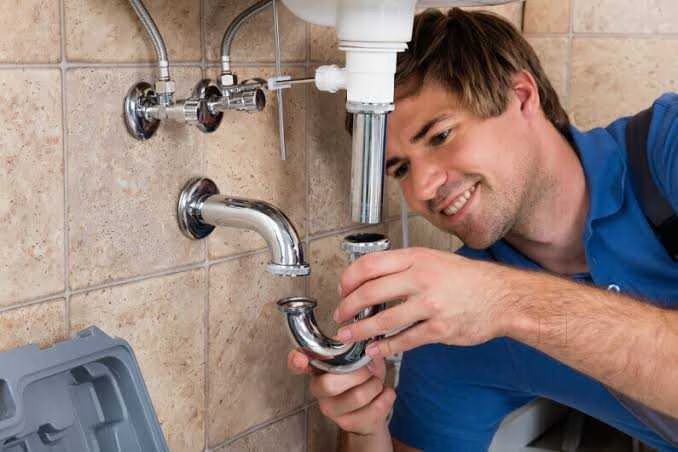
DIY Plumbing Repairs: Simple issues such as fixing a leaky faucet, unclogging a drain, or replacing a toilet flapper can often be handled by most homeowners. With a few basic tools and instructional videos, you can solve these common problems without breaking the bank. For example, replacing a worn-out washer in a leaky faucet can cost as little as $1 in parts, whereas hiring a plumber for the same job could easily set you back $100 or more.
When to Call a Professional: On the other hand, more complex issues—such as sewer line problems, gas leaks, or issues with the water heater—require a professional’s expertise. While DIY fixes might seem appealing, attempting a major repair without the proper knowledge or tools could make the problem worse and lead to higher costs down the line. For example, attempting to repair a gas leak without professional help can be dangerous and potentially life-threatening. Similarly, DIY repairs to a sewer line or water heater might lead to more damage, necessitating even costlier repairs.
By understanding the difference between simple and complex plumbing issues, you can save money on minor repairs and avoid costly mistakes on more complicated problems.
3. Invest in Quality Fixtures and Materials
When it comes to plumbing, the cheapest option isn’t always the best in the long run. While it’s tempting to opt for low-cost fixtures and materials to save money upfront, these cheaper options often wear out more quickly, leading to additional repairs or replacements. In contrast, investing in high-quality fixtures and materials can reduce the frequency of repairs and ultimately save you money over time.
For instance, investing in a high-quality water heater might cost more initially, but it will be more energy-efficient and have a longer lifespan, saving you on energy bills and repair costs over the years. Similarly, copper or PEX piping may be more expensive than PVC, but it’s far more durable and less likely to corrode, leading to fewer leaks and repairs in the future.
Choosing the right plumbing fixtures can also prevent water waste and lower your utility bills. Low-flow faucets, showerheads, and toilets, for example, use significantly less water without sacrificing performance. This not only reduces your water consumption but also lowers the amount of energy required to heat that water, making these fixtures a smart, cost-saving investment.
4. Proper Drainage Maintenance
Clogged drains are one of the most common and costly plumbing problems that homeowners face. Over time, grease, soap, hair, and food particles can accumulate in your drains, leading to slow drainage and eventually full-blown clogs. Preventing clogs before they form can save you the hassle and cost of a plumber’s visit.
A great way to prevent clogged drains is to establish good habits. For example, avoid pouring grease or oil down your kitchen sink, as these substances can solidify in the pipes and cause blockages. Using a drain strainer to catch hair, soap scum, and food debris is another simple way to prevent clogs in your bathroom and kitchen drains.
Additionally, regular drain cleaning can keep your pipes clear and free of buildup. While chemical drain cleaners may seem like an easy fix, they can cause long-term damage to your pipes. Instead, use natural methods like a baking soda and vinegar solution to clean your drains periodically. If you already have a minor clog, a plunger or a drain snake can be effective tools for clearing it yourself, avoiding the need to hire a plumber.
5. Install Water-Efficient Plumbing
The push for water conservation has led to the development of water-efficient plumbing solutions that not only help the environment but also reduce utility costs. Installing water-efficient appliances, such as low-flow toilets, faucets, and showerheads, is a great way to save money on your water bill without sacrificing comfort.
Water-efficient appliances use less water per flush or per use, which directly reduces the amount of water you consume. Over time, this can translate into substantial savings on your water bills. Additionally, energy-efficient water heaters, which heat water more quickly and effectively, can reduce your energy consumption and help you save even more.
6. Don’t Ignore Small Leaks
One of the most common mistakes homeowners make is ignoring small leaks. A slow drip from a faucet or a tiny leak in a pipe may seem insignificant, but it can add up over time. In fact, a single faucet that drips just once per second can waste over 3,000 gallons of water annually, leading to higher water bills and potential water damage if left unaddressed.
By fixing small leaks promptly, you can prevent unnecessary water wastage and reduce the risk of more significant damage down the road. Replacing washers, tightening pipe connections, or applying sealant can often solve minor leaks quickly and at little cost. If you’re unsure how to fix the leak, a quick consultation with a professional plumber can help you save money by preventing a larger issue from developing.
7. Use Pipe Insulation to Avoid Winter Damage
One of the most common—and most expensive—plumbing issues that homeowners face is burst pipes during the winter months. When water freezes inside pipes, it expands and causes the pipes to crack, leading to leaks and extensive water damage once the ice thaws. To avoid this costly repair, consider insulating your pipes, particularly those in unheated areas such as basements, crawl spaces, and attics.
Pipe insulation is a relatively inexpensive investment that can prevent freezing and the subsequent damage caused by burst pipes. By adding insulation to exposed pipes, you can avoid costly repairs and water damage caused by cold weather, saving you both time and money.
Conclusion
Plumbing repairs don’t have to break the bank. By adopting preventative maintenance practices, understanding when to DIY and when to call a pro, investing in quality materials, and taking proactive steps to reduce water waste, homeowners can significantly cut down on plumbing costs. Simple measures like fixing small leaks promptly, maintaining your drains, and insulating pipes can lead to long-term savings, while eco-friendly fixtures can help reduce utility bills. Whether you’re addressing minor issues or undertaking a larger repair, these cost-saving secrets will help you manage your plumbing needs efficiently and economically, ensuring that your home’s plumbing system stays in top shape without draining your wallet.